
Choosing the right solar installer in Indiana can feel overwhelming. There are so many questions to answer before making the decision, you can spend hours researching. That’s why we’ve simplified it for you.
Our guide highlights Indiana’s top-rated solar companies, combining Solar Power Systems expert insights with feedback from locals who’ve made the switch.
No need to surf the web looking for information crumbs to have the big picture. Years in business, reviews from real customers, online reputation, panel brands, warranty, social media overview, and more – we have it all. The hard work is done to help you make the right decision.
We prioritize companies committed to long-term service and reliability. Here’s our list of Indiana’s most trusted solar installers:
Feazel review 220 N Davidson St, Indianapolis, IN 46202, United States
Jefferson Electric review 2114 East Washington Street, Indianapolis IN, 46201
Jefferson Electric is rewarded with our Expert Choice badge, serving an exclusive area of fewer than 1 state. With a read more…
Rectify Solar review 3911 N College Ave Suite B Indianapolis, IN 46205
With an overall third-party rating of 4+ and positive feedback across more than 10 reviews from different platforms, Rectify Solar read more…
Jefferson Electric review 2950 E Hanna Av, Indianapolis IN, 46227
Jefferson Electric is rewarded with our Expert Choice badge, serving an exclusive area of fewer than 1 state. With a read more…
GRNE Solar review 7718 N. Michigan Road, Indianapolis IN, 46203
GRNE Solar is a reputable provider of solar energy solutions, specializing in the design and installation of solar panel systems read more…
GRNE Solar review 7718 N Michigan Rd, Indianapolis IN, 46268
GRNE Solar is a reputable provider of solar energy solutions, specializing in the design and installation of solar panel systems read more…
Solar Energy Solutions review 7966 Zionsville Rd, Indianapolis IN, 46268
With an overall third-party rating of 4+ and positive feedback across more than 10 reviews from different platforms, Solar Energy read more…
Blue Raven Solar review 3901 W 86th St, Indianapolis IN, 46268
With an overall third-party rating of 4+ and positive feedback across more than 10 reviews from different platforms, Blue Raven read more…

Universal Solar Direct of Indiana review 10373 N County Rd 1000 E, Brownsburg, IN 46112, United States
With an overall third-party rating of 4+ and positive feedback across more than 10 reviews from different platforms, Universal Solar read more…
Solar Energy Solutions review S Village Dr, Bloomington IN, 47401
With an overall third-party rating of 4+ and positive feedback across more than 10 reviews from different platforms, Solar Energy read more…

Whole Sun Designs review 6873 S. Old State Road 37 Bloomington, IN 47403
With an overall third-party rating of 4+ and positive feedback across more than 10 reviews from different platforms, Whole Sun read more…

Paitson Bros. review 1200 Wabash Ave, Terre Haute, IN 47807, United States
With an overall third-party rating of 4+ and positive feedback across more than 10 reviews from different platforms, Paitson Bros. read more…
Blue Raven Solar review 73 Cavalier Blvd, Florence KY, 41042
With an overall third-party rating of 4+ and positive feedback across more than 10 reviews from different platforms, Blue Raven read more…
Sustainergy Cooperative review 605 Burns St, Cincinnati, OH 45204
With an overall third-party rating of 4+ and positive feedback across more than 10 reviews from different platforms, Sustainergy Cooperative read more…
TMI Energy Solutions review 423 W. Wyoming Avenue Cincinnati, OH 45215
With an overall third-party rating of 4+ and positive feedback across more than 10 reviews from different platforms, TMI Energy read more…
Solar Energy Solutions review 2800 E Kemper Rd, Cincinnati OH, 45241
With an overall third-party rating of 4+ and positive feedback across more than 10 reviews from different platforms, Solar Energy read more…
Solar Energy Solutions review 201 E 5th Street Suite 1900, Cincinnati OH, 45202
With an overall third-party rating of 4+ and positive feedback across more than 10 reviews from different platforms, Solar Energy read more…

Solar Power and Light review 2411 Crosspointe Dr, Miamisburg, 45342, OH, US
Solar Power and Light is rewarded with our Expert Choice badge, serving an exclusive area of fewer than 1 state. read more…
Blue Raven Solar review 5535 Fair Lane Suite A, Cincinnati OH, 45227
With an overall third-party rating of 4+ and positive feedback across more than 10 reviews from different platforms, Blue Raven read more…
Feazel review 149 Commerce Dr, Loveland, OH 45140, United States
Feazel is rewarded with our Expert Choice badge, serving an exclusive area of fewer than 5 states. With a foundation read more…
What Solar Panels Actually Cost in Indiana?
If you’re thinking about going solar in Indiana, you’re probably wondering about the cost of solar panels and what you’ll actually pay. Right now (October 2025), the cost to install solar panels in Indiana is about $2.81 per watt for a professional installation. Most people end up spending somewhere between $11,942 and $16,158 for a typical 5 kW system before any tax credits kick in—that’s around $14,050 on average.
What You’ll Pay for Residential Solar Panels
Here’s a breakdown by system size showing solar panels prices:
| System Size | Cost Per Watt | Total Cost | After 30% Tax Credit | Monthly Savings |
|---|---|---|---|---|
| 4 kW | $2.81 | $11,240 | $7,868 | $80-$100 |
| 5 kW | $2.81 | $14,050 | $9,835 | $100-$125 |
| 6 kW | $2.81 | $16,860 | $11,802 | $120-$150 |
| 7 kW | $2.81 | $19,670 | $13,769 | $140-$175 |
| 8 kW | $2.81 | $22,480 | $15,736 | $160-$200 |
| 9 kW | $2.81 | $25,290 | $17,703 | $180-$225 |
| 10 kW | $2.81 | $28,100 | $19,670 | $200-$250 |
| Pricing Disclaimer: The solar panel prices shown are estimates based on data collected from online sources as of October 2025. Actual costs may vary based on your location, system specifications, and installer. | ||||
These solar panel installation prices include everything—panels, inverters, installation labor, permits, and getting connected to the grid.
Here’s the thing though: there’s a 30% federal tax credit that cuts your solar panel cost significantly. That 5 kW system? Goes from $14,050 down to $9,835. But there’s a catch. The One Big Beautiful Bill that passed in July 2025 killed this credit after December 31, 2025. Miss that deadline, and you’re paying full price with no federal help.
Most Indiana households actually need bigger residential solar panels systems than 5 kW. The average home here uses around 950-1,000 kWh monthly, which means you’re probably looking at an 8-9 kW system. When considering how much it costs to install solar panels of this size, an 8 kW setup runs about $22,480 before incentives, dropping to $15,736 after the tax credit.
How Big Should Your System Be?
Bigger systems cost more upfront but save you more over time. Here’s how much solar panels cost in Indiana by system size:
- 4 kW: $7,868 after tax credit
- 5 kW: $9,835 after tax credit
- 8 kW: $15,736 after tax credit
- 9 kW: $17,703 after tax credit
For most Indiana homes, 8-9 kW is the sweet spot to cover your entire electric bill.
Solar Incentives and Rebates in Indiana
Indiana isn’t exactly California when it comes to solar incentives, but there are still some decent programs worth knowing about that affect the overall cost of solar panel installation.
Federal Tax Credit (Going Away December 31, 2025)
This is the big one. The federal Residential Clean Energy Credit gives you 30% back on your total installation cost—panels, labor, permits, everything.
Spending $20,000? You get $6,000 back. This isn’t a deduction; it’s a straight credit against what you owe the IRS. If you can’t use it all in one year, you can roll it over.
But remember: the One Big Beautiful Bill signed on July 4, 2025, ends this after December 31, 2025. Your system has to be installed and operational by that date. After January 1, 2026, this benefit disappears completely.
What Indiana Offers
Property Tax Exemption: Solar panels typically add about $15,000 to your home’s value. In Indiana, you won’t pay extra property taxes on that increase.
Sales Tax Exemption: Most solar equipment is exempt from Indiana’s sales tax, saving you around 7% on the cost of solar panels in Indiana.
Utility Programs
NIPSCO Feed-In Tariff: Customers of Northern Indiana Public Service Company with 5-10 kW systems may receive $0.15 to $0.17 for each kWh produced. Bigger systems (over 10 kW) get $0.13-$0.15 per kWh. Spots are limited though.
Energy Efficiency Rebates: Some utilities like Indiana Michigan Power and Tipmont REMC offer rebates for energy-efficient upgrades, usually $25-$350.
The Net Metering Situation (It’s Complicated)
Indiana changed the rules on net metering back in 2017 with Senate Enrolled Act 309, and honestly, it’s not great for new solar owners.
If You’re Installing Now
For systems installed after July 2022, traditional net metering is gone. Instead, you get Excess Distributed Generation (EDG) credits at a much lower rate—basically the wholesale electricity cost plus 25%. That’s about 3-4 cents per kWh instead of the 12-17 cents per kWh you pay for electricity. Big difference.
The Lucky Ones (Grandfathered Systems)
If you installed solar before certain dates, you kept the good rates:
- Before January 1, 2018: Full retail-rate net metering until July 1, 2047
- Between January 1, 2018 and June 30, 2022: Full retail-rate net metering until July 1, 2032
How It Actually Works
Indiana uses “instantaneous netting,” which means excess electricity is credited right away instead of banking up over the month. This cuts down the value of what you’re sending back to the grid compared to how it works in other states.
Rural Electric Co-ops and Municipal Utilities
Some REMCs and municipal utilities still have decent net metering programs. If you’re served by one of these, check what they offer—it might be better than what the big utilities provide.
What Electricity Costs Here
You need to know what you’re currently paying to figure out what you’ll save with residential solar panels.
As of October 2025, Indiana residents pay an average of 15.22 cents per kWh. That’s actually about 9% lower than the national average of 16.66 cents. The typical monthly bill runs around $145 for an average household using approximately 950-1,000 kWh.
Rates have been climbing recently:
- NIPSCO: Raised rates 16.75% in July 2025—that’s about $23 more per month
- Duke Energy Indiana: Increased bills by 11% in February 2025, with another 3% hike coming in early 2026
Different utilities charge different amounts:
- AES Indiana (Indianapolis): ~16 cents per kWh
- Duke Energy Indiana: ~11-13 cents per kWh
- NIPSCO (Northern Indiana): ~12 cents per kWh (after the 2025 increases)
With rates going up and the federal credit going away, 2025 is really the year to consider how much solar panels cost versus long-term utility costs if you’re thinking about it.
Indiana’s Solar Potential
Sunshine and Weather
Indiana gets about 4.2-4.6 peak sun hours per day. That’s not Arizona (6-7 hours), but it’s enough to make solar panels in Indiana work well here.
Indianapolis, where a lot of people live, averages 4.6 kWh/m²/day with panels angled right—about 15% better than the state average. You’ll get the most production June through August, when we see 5.8-5.9 peak sun hours daily.
We only get 186 sunny days a year (national average is 205), but panels still work on cloudy days using diffuse light. You just need panels built to handle Indiana’s four-season weather—hot summers, cold winters, occasional snow.
Permits and Paperwork
Getting permits in Indiana is pretty straightforward, though timelines vary depending on where you live.
Permit Timeline: Anywhere from a few days to 8 weeks. Cities with dedicated solar staff move faster than small towns.
What You’ll Need:
- Site plans and electrical diagrams
- Structural calculations (for roof installations)
- Equipment specifications
- Contractor license and insurance
Simplified Reviews: Some places offer quick approvals for standard roof installations that meet certain criteria. Anything unusual needs more detailed engineering review.
HOAs: Indiana law prevents HOAs from completely blocking solar, though they might have some say over appearance. Check your HOA rules before starting.
Grid Connection: After installation, your utility needs to approve the connection. This usually takes 1-3 weeks.
How Long Does This Take?
From first call to flipping the switch, you’re looking at 2-4 months total for complete solar panel installation.
Initial Consultation (1-2 weeks)
Obtaining quotes, comparing installers, selection of your system.
Design and Engineering (1-3 weeks)
Confirmation of layout, selection of equipment, obtaining all approvals.
Permitting (2-8 weeks)
This can be the longest section. Building permits, HOA approvals if required, and utility applications.
Installation (1-3 days)
This is the quick part. Most homes are done in a day, maybe 2-3 for larger or tricky installations.
Final Inspection and Activation (1-3 weeks)
Building inspector signs off, utility installs the meter, system goes live.
Are Solar Panels Worth It in Indiana?
Despite Indiana’s okay (not great) sun and the changes to net metering, solar still makes financial sense for most homeowners—especially if you can get it done before the tax credit expires.
The Money
Break-Even Point: Most people here see payback in 9-13 years, depending on system size and electricity rates. The 30% tax credit speeds this up considerably.
Long-Term Savings: Over 25 years (typical panel lifespan):
- 5 kW system: ~$38,000-$39,000 saved
- 8 kW system: ~$55,000-$65,000 saved
- (Assuming electricity rates keep rising about 3.1% annually)
Monthly Impact: Most people with properly sized systems cut their electric bills by 70-100%, saving $100-$200+ monthly.
Your Home’s Value
Solar adds about $15,000 to home value on average in Indiana, and you won’t pay extra property taxes on it.
Energy Security
Solar with battery backup protects you from rate hikes and power outages. A Department of Energy report from July 2025 predicts power outages could increase by 100 times by 2030 compared to current levels, which makes solar-plus-storage increasingly attractive.
Environmental Impact
A typical 8 kW system in Indiana offsets:
- 10,000+ pounds of CO₂ every year
- Same impact as planting 150 trees annually
- 120,000+ pounds of CO₂ over 25 years
The Tax Credit Makes a Huge Difference
For a $20,000 system:
- With the credit (by Dec 31, 2025): $14,000 actual cost, ~9-10 year payback
- Without the credit (after Jan 1, 2026): $20,000 actual cost, ~13-15 year payback
That $6,000 difference is significant and makes 2025 installations way more attractive.
Who Should Consider the Cost of Solar Panels?
Solar makes sense if you:
- Use 800+ kWh monthly (average Indiana home uses 950-1,000 kWh)
- Have an unshaded roof (preferably south-facing)
- Can install before December 31, 2025
- Plan to stay in your home at least 7+ years
- Want energy independence and lower bills
Given that the federal solar incentives are disappearing, right now is honestly the best time for Indiana residents to evaluate how much solar panels cost versus the long-term benefits. After this year, you’ll be paying thousands more for the same system.
How Much Can Solar Panels Save Me in Indiana?
Finding out how much you can save on solar in Indiana is not a straightforward answer. It depends on several factors, including the solar billing of your utility company, the size of a potential solar system on your roof, and your household’s energy consumption. While most solar installers will try to cover all your electricity needs, the actual savings will depend on your home’s unique conditions. To get a personal estimate of how much you could potentially save by going solar, fill out a simple form on our website, use Google’s Project Sunroof solar savings calculator, or consult with a couple of local solar installation companies for a personalized savings calculation.
How much is your electricity bill per month?
Help us understand what you`re currently spending
Solar Financing Explained
You can pay for solar panels in a couple of ways:
- Cash
- Installer solar loans
- Personal loans
- Cash-out refinance or HELOC
- Solar Leases or Power Purchase Agreements (PPA)
First, there is a cash purchase, which in most cases provides the best price and long-term savings, but the upfront payment is not always what you can afford. If you want to own your solar panels and don’t have about $15,000 to $20,000 in the bank, you’ll have to choose solar panel financing.
You can consider a personal loan, a home equity line of credit, or a solar loan offered by the solar company. However, keep in mind that these loans come with interest and additional fees. Solar loans often are tied to dealer fees, which can increase the total cost of your solar system by 20% or more in exchange for a lower interest rate. To ensure you get the best possible deal, it is wise to compare the dealer fees and interest rates offered by different installers. This way, you can make an informed decision based on the most favorable terms available.
Some companies offer solar leases or PPAs that require zero upfront cost. But in such case, you don’t own solar panels and you are not eligible for any solar rebates or the federal tax credit. And, because you have to pay the solar company monthly, your total solar savings will be lower. Ask for detailed savings calculations from a solar installer to decide on the best option. In most cases, you will still be paying less for electricity.
Frequently Asked Questions
How We Rank Solar Installers
Our main goal is to provide homeowners like you with top-rated solar companies you can trust. Our solar experts analyzed thousands of local and nationwide installers to get to the bottom of who is best in a specific location. The solar company ranking methodology is based on gathering input from homeowner surveys, consulting with industry experts, and extensive research into the solar energy market. Here are the things we believe are the most important to consider when choosing a solar company.
In short, here’s how we pick top installers:
– Company that has been in business for over five years as it indicates stability, reliability, and successful installations.
– Local solar companies over big national ones covering multiple areas as they can provide better personal attention and know more about the solar needs and regulations in their area.
– Companies with hands-on experience and a wealth of projects under their belt are more likely to deliver efficient and timely installations that cater to specific customer needs.
– Companies that handle their own installations instead of outsourcing to subcontractors ensure a higher caliber of work and nurture a culture of excellence and accountability in service.
– Select a company that has a good overall reputation and reviews on sites like SolarReviews, BBB, Google Maps, and Yelp.
– The company is licensed, insured, and holds relevant certifications such as NABCEP certification.
– Companies that offer a wide selection of high-quality solar panels and related products and work with reputable brands.
– Companies that provide flexible financing options such as solar loans, leases, or power purchase agreements.
– Installers that provide substantial workmanship warranties and system performance guarantees.
Read more:
Our Methodology
What Made Us Choose Sources for Expert Score?
How We Classify Solar Installers: What Matters Most?
What to Look for In a Solar Company
To ensure that you partner with a great provider that can meet your needs of going solar, look for the following:
– Make sure the solar installer has industry-standard certifications, such as those from the North American Board of Certified Energy Practitioners (NABCEP), indicating that they meet the gold standard in renewable energy installations. Also, verify if they are licensed, bonded, and insured for residential solar projects in your area. If subcontractors are involved, check their credentials as well.
– Prioritize installers with a proven track record in solar installations, ideally with at least 5+ years of experience. Ask about the number of systems they’ve installed and their project portfolio. A competent installer should openly discuss the solar panels, inverters, and batteries they use if they help to take advantage of local solar incentives and rebates, and warranty coverage specifics.
– Your installer should be forthcoming about the installation process and answer any questions you might have, like “How many solar panels will I need? Why?”, “Can you give me a detailed cost breakdown based on my energy consumption?”, “What solar panel brands do you install? Why?”, etc.. They should also be transparent about their use of subcontractors, detailing their roles and how their work will be supervised.
– A preliminary evaluation of your roof’s condition is the groundwork. The installer should advise on necessary repairs to ensure it’s ready for solar panel installation and clarify responsibilities for any potential roof damage during the process. Discuss aesthetic concerns, such as the placement of solar panels around roof vents or the possibility of relocating vents for a more visually appealing setup.
– Check the installer’s reputation through online reviews and testimonials. They should be able to connect you with past customers willing to share their experiences. Personal recommendations from friends or neighbors who’ve gone solar can also be invaluable.
– Solar installation costs can vary widely, so obtaining multiple quotes is advisable. Experienced installers will adjust their offers to your home’s specifics—size, energy needs, etc. For an objective cost comparison, calculate the price per watt of the proposed system, giving you a standardized basis to evaluate different quotes.
Should You Choose a Local Solar Installer or a Big National Company?
Always choose a local solar company over a big national corporation. Small local companies that operate in a distinct local area are better than multi-state and national solar companies and large corporations. It’s the small local companies who get the best reviews on our website, and it’s the national multistate companies who get very poor reviews. Why so, you may ask?
Solar is a local service business, for the most part, and it is extremely difficult to run a solar company and offer good customer service to many locations from a central office.
Local ones have a community connection, they know better the incentives and regulations in the area, and they simply care more about you than large businesses trying to get into your pocket and overprice you. While multi-state solar companies might try to convince you by financial stability and “quality of installations across different locations”, try to choose a local company that meets all your criteria.
What Does a Solar Installation Look Like?
Here’s how a solar system installation will look like once the design for your solar system is approved:
– First, a solar installer should estimate your energy needs, and analyze your annual and monthly electricity consumption, which you can find on utility bills measured in kilowatt-hours (kWh). Such calculations will help to understand potential savings, payback period, and the system size you need.
– A home energy audit is something every experienced solar company would do to understand the size and output needed.
– Next question on the list: are your house’s roof conditions good enough for installation? A solar installer should carefully inspect the roof and ensure its conditions and orientation are good to go, how and where to better place solar panels and wire the system.
– Next, they will design the system and show you how it’s going to look.
You will usually need a permit to install solar panels from your local authorities, and the solar provider should handle all the paperwork.
– The entire process might take up to 3 months depending on the state and local regulations, while the system installation is usually up to 3 days (might take longer depending on roof conditions and system complexity).
– The installation crew should always clean up and remove any debris, leaving your house in good condition.
– When the system is installed, it should be checked and approved by local municipality inspection.
– If you’re connecting your system to the grid, it has to be wired to your local utility system. You’ll apply for connection through your utility company, which will also want to inspect your system to ensure it’s following utility guidelines. Some installers may help you with this step, so always ask. Once you have all the permits, your system will be up and running, powering your home with solar.
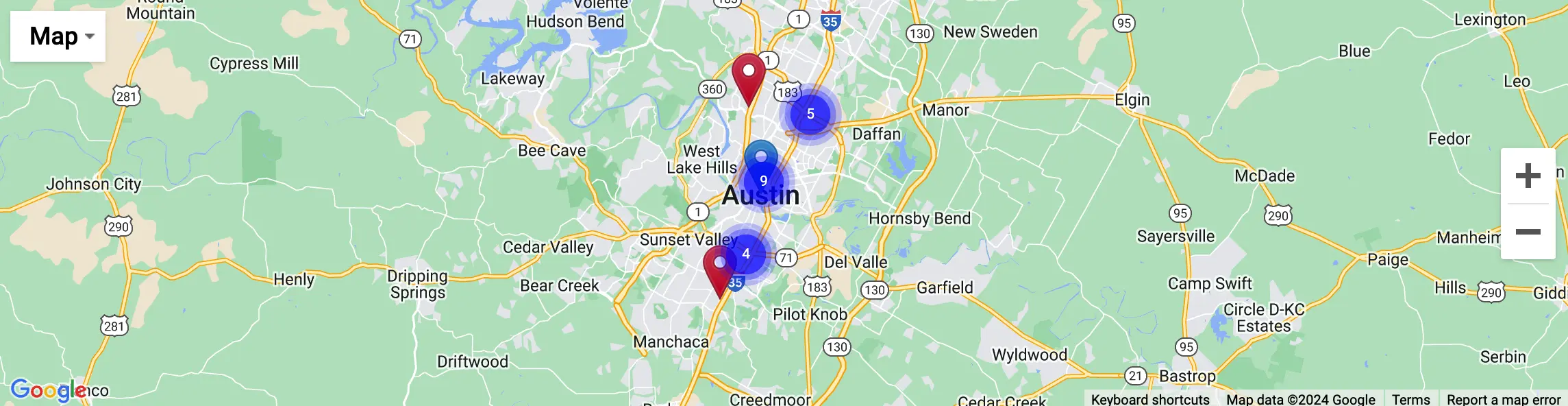
Find the Best Solar Installers Near You
Browse the Best Solar Installers in Nearby Locations